
Before online shopping grabbed us by the credit card and held our delivery date anxiety to ransom, all we knew was that we had to wait.
Mail order (for those of you too young to know, this was literally ordering by post and sending a physical cheque or Postal Order as payment) meant it would be at least a couple of weeks before our purchase was delivered. But the waiting and the anticipation, followed by the dopamine hit experienced when your order finally arrived, made the wait more than worth it.
Online shopping changed all that, and we became addicted. Amazon was our first dealer, quickly realising our "hit" wasn't the product itself - it was the delivery of the product. It is what psychologists call the Endowment Effect: the feeling of ownership that follows a purchase. All Amazon had to do to ensure we’d keep coming back for more was get our order to us as quickly as humanly possible. Next-day delivery was born. Of course, they capitalised on it with Prime, and now 220 million members willingly pay them billions per year for the pleasure.
What happened to waiting?
We don't mind waiting in a restaurant for our food to be cooked. We don't mind waiting for a bespoke suit to be tailored, for a child to be born, or for a wedding to happen. So why the sudden desperate need for everything to be delivered next day, or even same day?
It is likely consumerism. Except consumerism isn't a "thing," and neither is fashion.
Consumerism is the result of a cultural shift in expectation; it is the acquisition of products in ever-increasing amounts.
Fashion, on the other hand, is what happens when those who crave looking different to everyone else bizarrely end up looking the same as everyone else. A two-trillion-dollar industry was created around feeding that desire. Combine the two and you get fast fashion, where manufacturers are forced into a race to the bottom, churning out millions of variations that are standardised for cost and simply aren't built to last. The goal is only to ensure they're available everywhere, all at once.
I will admit that I’m as guilty as the next person for succumbing to the "see it, want it" mentality, especially when it's something functional and I know local shops simply don’t stock what I need. The allure of the "Buy Now" button is almost inescapable. We accept this speed when buying commodities (cables, batteries, nappies, the necessities), but what about when the purchase is meant to be a statement, a piece of enduring craftsmanship, or an investment in our environment? That level of pure convenience comes at a cost that’s becoming harder to ignore.
The illusion of choice
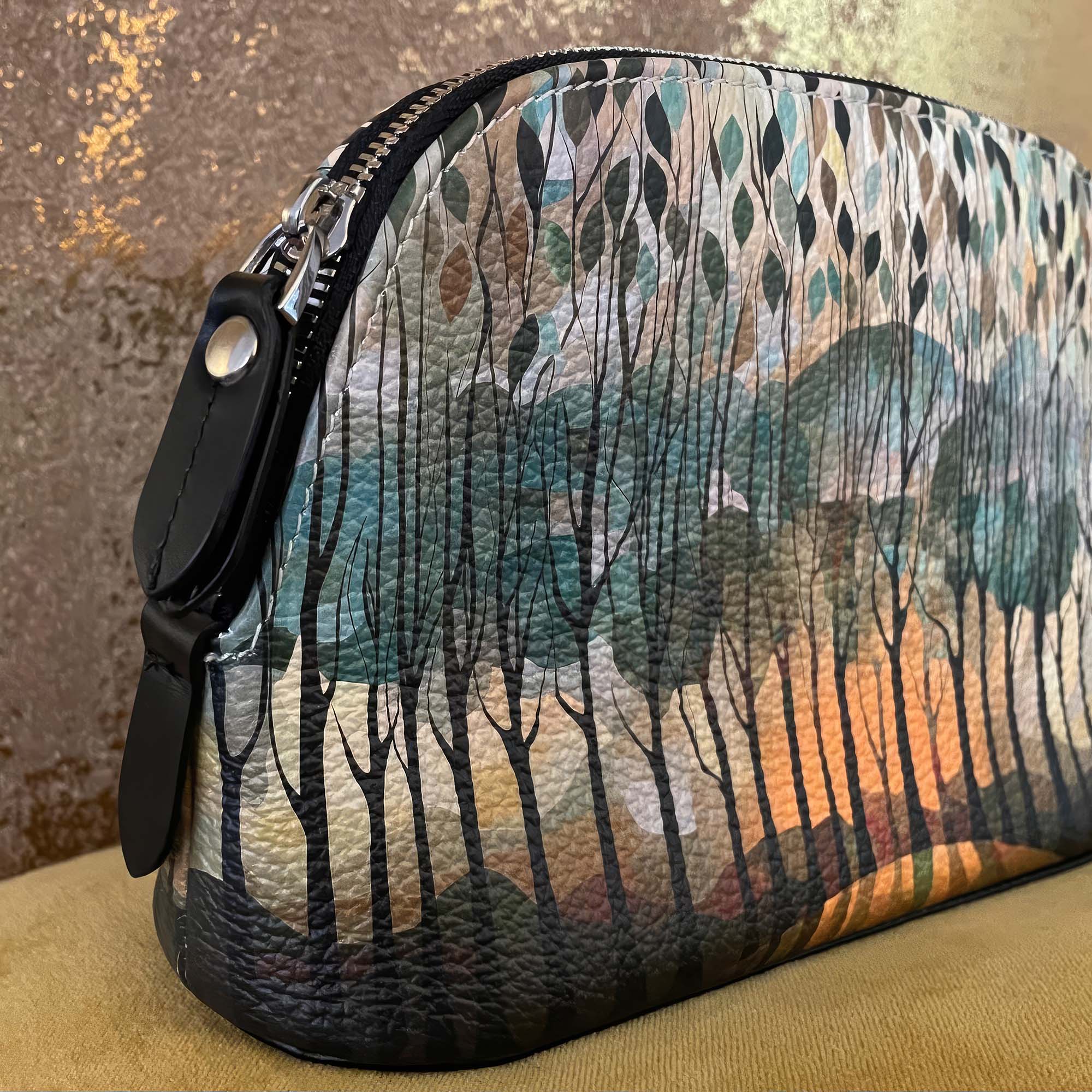
Take the example of a printed leather handbag.
If you search for one online, you will be bombarded with hundreds, perhaps thousands of results. Every pattern, every colour, every price point. But look closer. What you are actually seeing is a sea of anonymity. You don’t know where they originated. You don’t know if a hundred thousand identical units are sitting in a shipping container somewhere. You don’t know if the design is original, if it’s genuine leather, or even if it's a cheap counterfeit. Why? Because the online marketplace that dominates our buying landscape is unregulated, and there is almost no policing of authenticity or quality.
Most importantly, you don’t see the invisible price tag. These items are often factory-produced at the lowest possible cost, using cheap fabrics, putting people under immense pressure to turn them around quickly.
You don't have to care about any of that, and you may just want a bag for the weekend. In which case you will definitely bag a bargain. But if you care about the story, or provenance behind the object of your desire... well, that changes everything.
We’re questioning quality again. With so many products now sold through large online marketplaces, and with a mix of sellers and standards, people are more aware that not everything is made equally well. Regulation is catching up. France, the EU and the UK are all moving toward clearer information, more accurate product descriptions, and better management of textile waste. Shoppers are already seeing the effects in the form of clearer labelling and fewer vague claims.
The case for 'slow'
When Professor Kate Fletcher coined the term "Slow Fashion" in 2007, she wasn't describing a literal speed, but a different, quality-based worldview. She described an approach that emphasises an awareness of how products impact workers, communities, and ecosystems.
The principle is simple: "Fast" anything usually means cutting corners. It means pressuring a supply chain until it breaks. It involves blood, sweat, and tears in the manufacturing process, an almost arrogant disdain for quality in the drive to reduce costs, and the inevitable waste when the unsold stock is discarded.
"Slow," however, allows time. And time is the secret ingredient in quality.
The beauty of the wait
There is a quiet revolution happening that moves beyond fashion and into the very fabric of our homes and lifestyles. It is the concept of "Handmade to Order," and it sits at the very top of the Slow movement’s tree.
When something is made to order, the dynamic changes. There is no dusty warehouse stock piled high. No articulated lorries filled to the brim with identical products. There is no guesswork.
Instead, there is a pause.
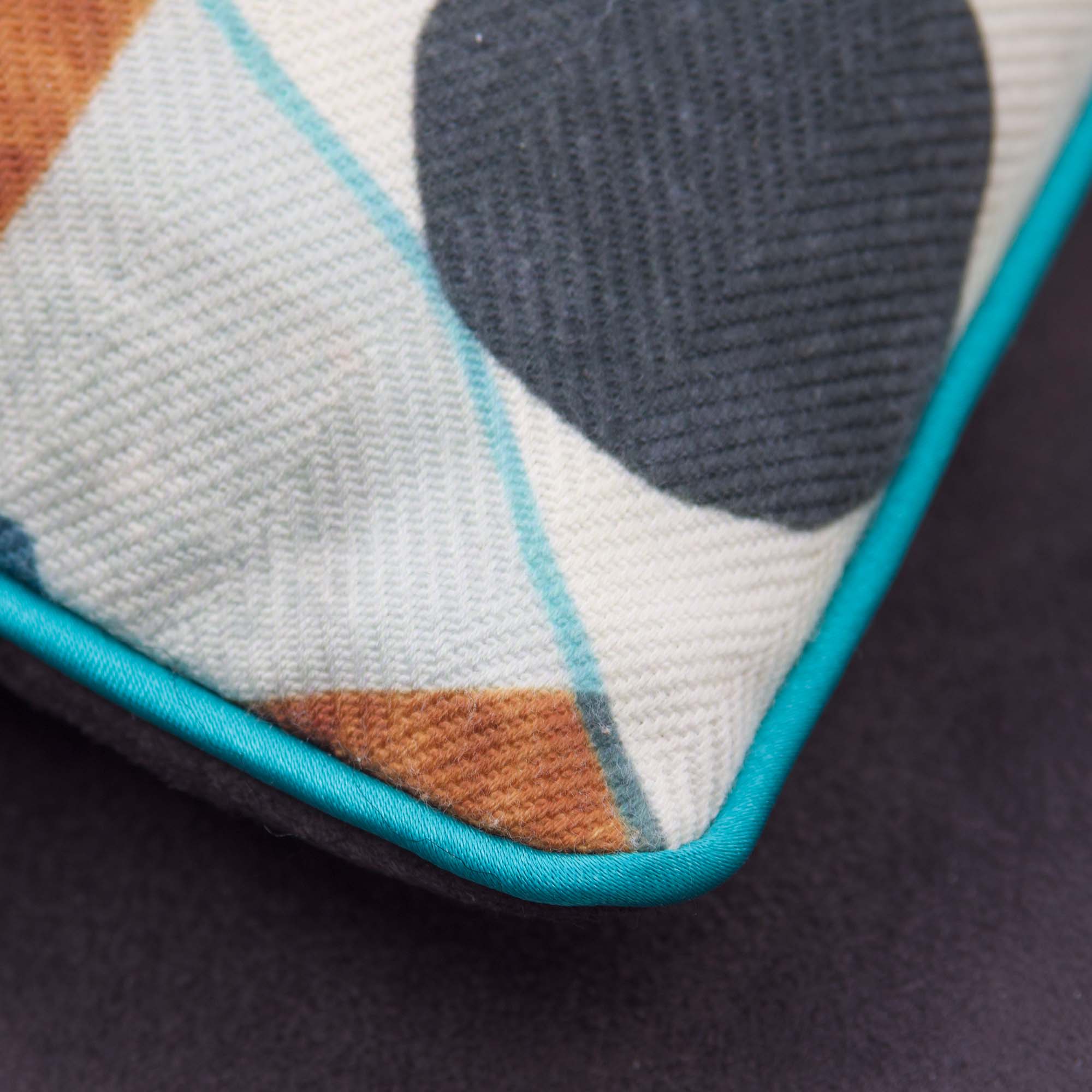
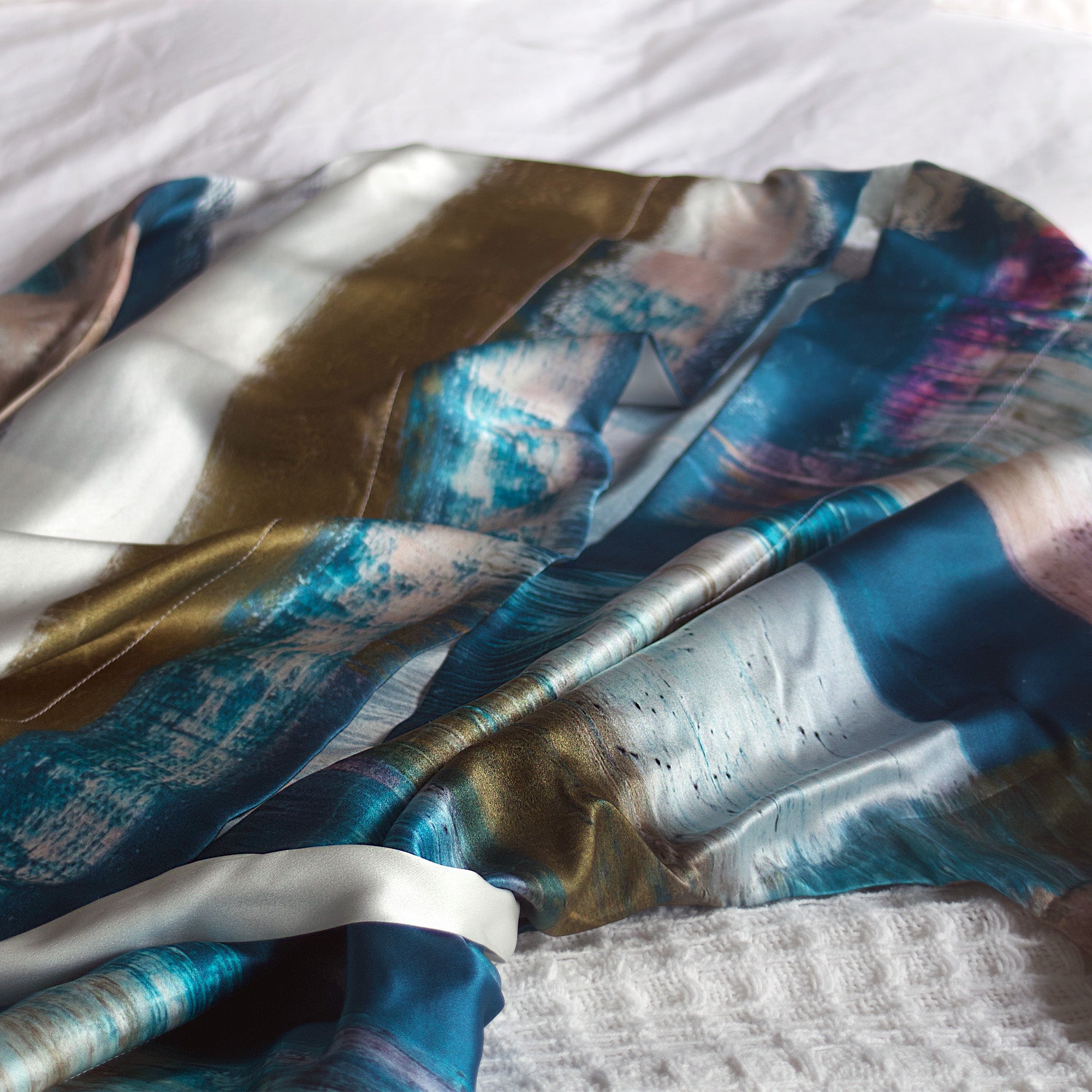
When you buy something made to order, you are buying a skilled individual’s time and experience. In the context of my own business, Zanoogo, it means giving a British craftsperson the space to express their creativity. Whether it's printing onto quality fabrics such as leather, silk, or furnishing velour; cutting, stitching, and assembling a luxurious handbag; or hand-framing a piece of wall art - the product simply doesn't exist until you ask for it.
There is a profound peace of mind in knowing where your item came from. You know it was made from start to finish by people with a passion for what they do. You know that by waiting a little longer, you have refused to contribute to the cycle of mass production and inevitable waste.
We need to fall in love with waiting again. We need to remember that the anticipation of a delivery can be just as sweet as the arrival. Because when that package finally arrives, you know it wasn't just picked by a robot from a football-field-sized warehouse of metal racking; it was created. It was made from scratch for you, not for the masses.
Instant gratification isn't always all it's cracked up to be, especially when that personal connection is the rarest luxury of all.
Written by Clive Wilson, co-founder of Zanoogo. The Journal explores ideas around design, instinct, and the way we live with the things we choose.